Travel in Chengdu
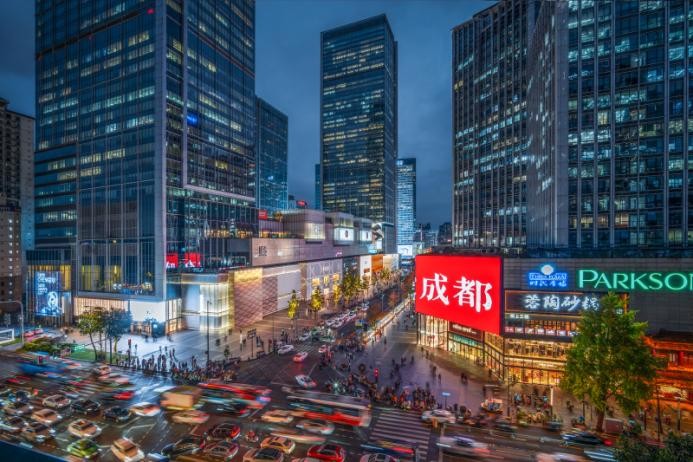
Chengdu, capital of Sichuan Province, is a thriving metropolis in southwestern China. As a key transportation
hub with excellent domestic and international connectivity, it serves as the region's economic, financial,
technological, and cultural center.
One of China's most historically significant cities, Chengdu drives national progress through its dynamic
economy—powered by multinational corporations, innovative enterprises, and world-class research institutions.
It excels in electronics, information technology, aerospace, biomedicine, finance, and creative
industries.
For visitors, Chengdu features iconic landmarks: the Jinli Ancient Street, Wuhou Shrine, Du Fu Thatched
Cottage, and the Chengdu Research Base of Giant Panda Breeding. The city uniquely integrates ancient heritage,
modern architecture, and nearby natural landscapes, harmonizing urban sophistication with a leisurely and
eco-friendly lifestyle.
Must-go Attractions in Chengdu
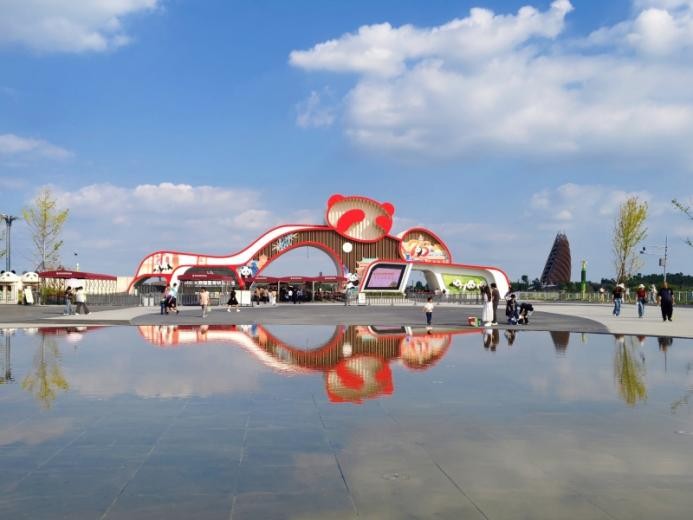
Chengdu Research Base of Giant Panda Breeding
The world’s most famous panda conservation base, where you can watch giant pandas eat bamboo, play, and rest
in semi-wild enclosures. Arrive early (before 9 AM) for the best chance to see active pandas. The base also
houses red pandas and offers educational exhibits on panda biology.
Useful Information
Address: 1375 Panda Avenue, Chenghua District, Chengdu
Tip: Book tickets online in advance; no on-site ticket windows
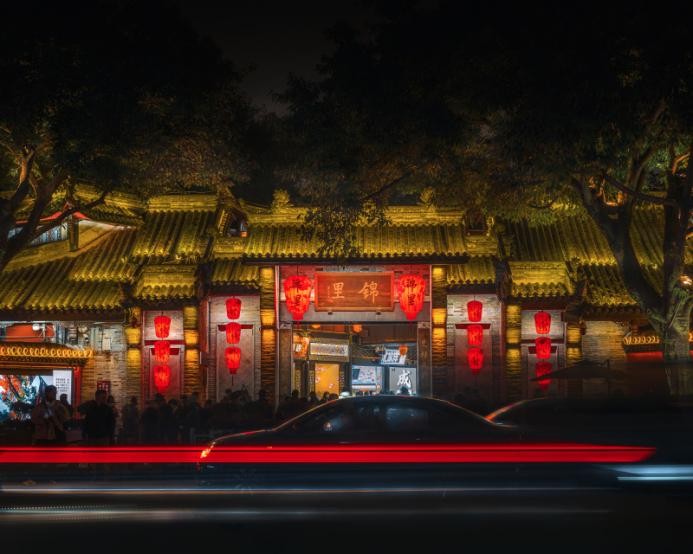
Jinli Ancient Street
A vibrant Qing-Ming style pedestrian street adjacent to Wuhou Shrine, famous for red lanterns, Sichuan snacks,
folk performances, and traditional handicrafts. It’s the best place to experience Chengdu’s ancient charm and
local life, especially at night.
Useful Information
Address: Next to Wuhou Shrine, Wuhou District, Chengdu
Tip: Try local snacks like spicy rabbit heads and three-bubble tea

Dujiangyan Irrigation System
A UNESCO World Heritage Site and one of the world’s oldest functioning water conservancy projects, built over
2,200 years ago. It tamed the Min River and created the fertile Chengdu Plain, known as the “Land of
Abundance”.
Useful Information
Address: Park Road, Dujiangyan City (about 50 km from Chengdu)
Tip: Combine with a visit to Mount Qingcheng for a full day trip
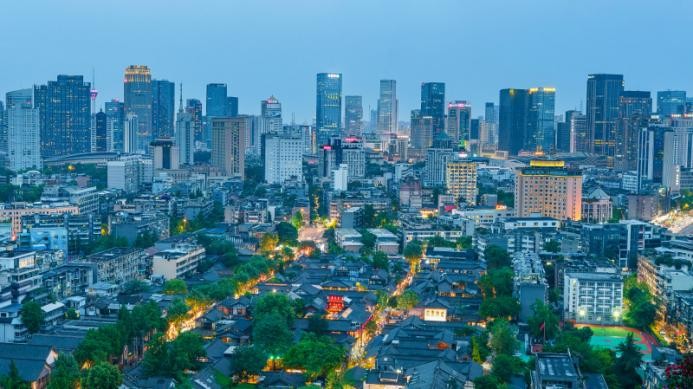
Kuanzhai Alleys (Wide & Narrow Alleys)
A well-preserved historical block featuring three parallel alleys (Wide Alley, Narrow Alley, Well Alley) with
traditional courtyard houses. It blends ancient architecture, teahouses, cafes, and creative shops, showcasing
Chengdu’s slow-living culture.
Useful Information
Address: 57 Kuanzhai Alley, Qingyang District, Chengdu
Tip: Visit in the afternoon for tea and in the evening for nightlife
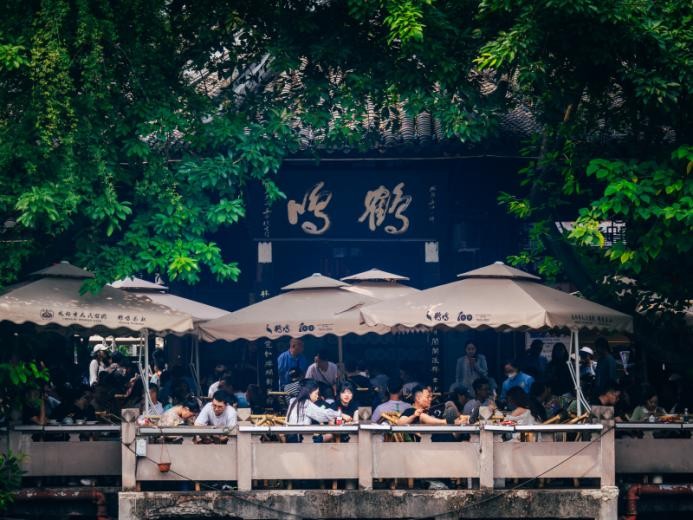
People’s Park (Chengdu People’s Park)
The city’s oldest public park, famous for Heming Tea House, where locals gather to drink tea, play mahjong,
and enjoy ear-cleaning services. It’s the perfect spot to immerse yourself in authentic Chengdu daily
life.
Useful Information
Address: 9 Citang Street, Qingyang District, Chengdu
Tip: Order a bowl of covered tea and try the traditional ear-cleaning service
Travel Tips for Chengdu
Public Transport
Chengdu features a highly convenient and affordable public transport system covering metro, buses and shared
mobility services. The metro network connects almost all core tourist attractions and city landmarks. Purchase
a reusable transit card or use mobile QR code scanning for seamless rides. Key routes: Metro Line 2 and Line 3
serve Chunxi Road, Kuanzhai Alleys and Wuhou Shrine; Didi ride-hailing is widely used for short-distance trips
and suburban destinations like Dujiangyan.
Local Cuisine
Chengdu is the capital of Sichuan cuisine, famous for its signature numbing and spicy flavors. Top local
picks: Sichuan hot pot with fresh beef, tripe and vegetables; classic dishes including Mapo Tofu and Dan Dan
Noodles. Street foods such as spicy skewers, sugar-fried chestnuts and Sichuan ice jelly are must-try snacks.
Traditional teahouses also offer local pastries and casual light meals for visitors to experience slow Chengdu
lifestyle.
Shopping Guide
• Chunxi Road & IFS: The city’s core commercial district with international brands, department stores and the
iconic giant panda rooftop sculpture.
• Kuanzhai Alleys: Features traditional handicrafts, cultural souvenirs, Sichuan-style tea sets and
panda-themed gifts.
• Jinli Ancient Street: Offers traditional Sichuan ornaments, folk art products and local specialty
snacks.
• Local Tea Markets: High-quality Sichuan jasmine tea and handmade tea souvenirs for daily use and gifts.
Money Matters
The official currency is Chinese Yuan (CNY/RMB). Major credit cards (Visa, Mastercard) are accepted at large
shopping malls, hotels and chain restaurants. Mobile payments including WeChat Pay and Alipay dominate daily
transactions for street stalls, teahouses and small shops. ATMs are widely available across the city. Tipping
is not a local custom and completely optional for all services.
Language Tips
Mandarin Chinese is the official language, while Sichuan dialect is widely spoken by locals. Tourist areas,
scenic spots and public transport provide standard Chinese and English signs. Young locals and service staff
can communicate in basic English. Simple polite phrases are friendly and helpful. Most scenic sites offer
bilingual introduction boards and tourist guidance for international visitors.
